Brand Logo
ADJUSTABLE CARRY SYSTEM

Patagonia backpack load-support notes procurement teams can review

Ventilated back panels, torso-length harness windows and hipbelt load transfer are written as construction rows, so buyers can compare a hiking backpack, a Refugio travel pack and a Black Hole duffel without treating them as one chassis.
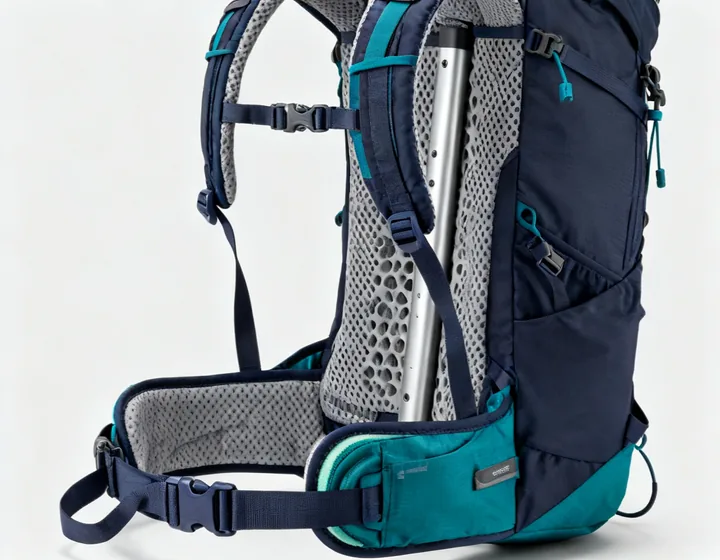
Cutaway of a Patagonia hiking backpack harness and ventilated back panel
210D–900D Face-fabric denier recorded by SKU
800–3,000 mm Hydrostatic head on coated panels
9 Stitch checkpoints before bulk release
40–70 L Black Hole duffel planning window
Four-column pack families

Outdoor bag SKUs grouped by construction, not by lifestyle naming

Each family below is a planning brief: capacity band, fabric class and carry geometry. Live catalog cards sit on the products page.
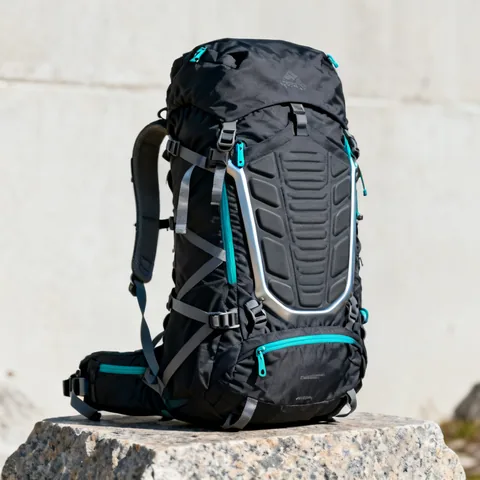
Patagonia hiking backpack with ventilated back panel
Hiking 28–65 L

Trail backpacks

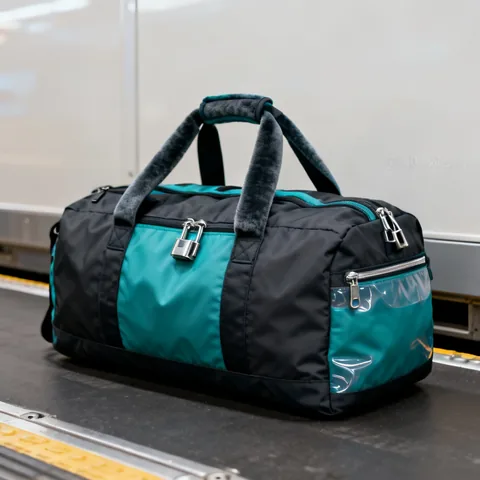
Patagonia Black Hole duffel bag
Duffel 40–70 L

Black Hole duffels

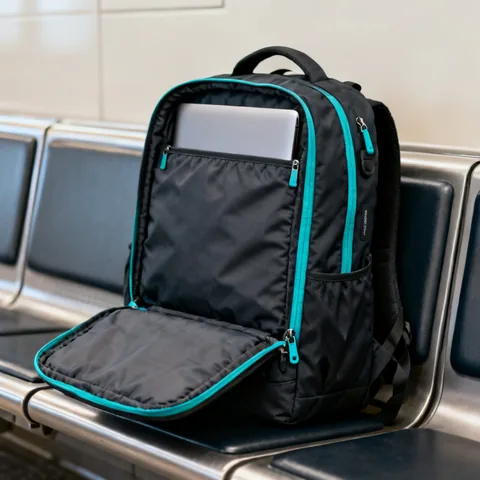
Patagonia travel backpack with laptop sleeve
Travel 28–40 L

Refugio travel packs

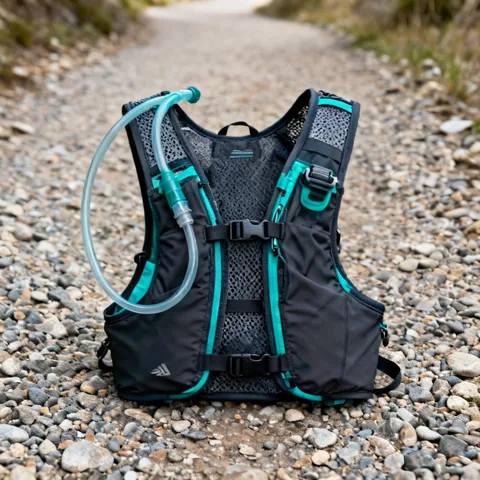
Patagonia hydration pack with reservoir hose routing
Hydration 1.5–12 L

Run and bike packs

Grouped specification table

Construction values Patagonia records before a sample leaves the desk

These ranges are planning values for outdoor bags and backpacks. A purchase order still needs SKU-level confirmation because denier, coating and harness size change with the activity mix.

Textile and coating
Face fabric210D–900D ripstop nylon or recycled polyester, recorded by SKU
Hydrostatic head800–3,000 mm on coated panels; DWR is not a waterproof rating
Black Hole shellTPU-laminated recycled polyester; this is not a framed hiking BOM
Carry geometry
Torso lengthAdjustable harness windows typically 16–21 in / 41–53 cm depending on frame
Load planningDaypacks under 12 kg; framed backpacking packs planned to 18 kg with hipbelt transfer
Hydration1.5–3.0 L reservoir sleeve with hose port; not rated for whitewater immersion
Hardware and inspection
Zipper gauge#5–#10 coil or toothed, recorded with puller type
Critical stitches9 checkpoints including haul loop, load lifter, hipbelt and compression bar tacks
Duffel baseReinforced TPU panel on 40 L / 55 L / 70 L Black Hole SKUs; not an aluminum stay
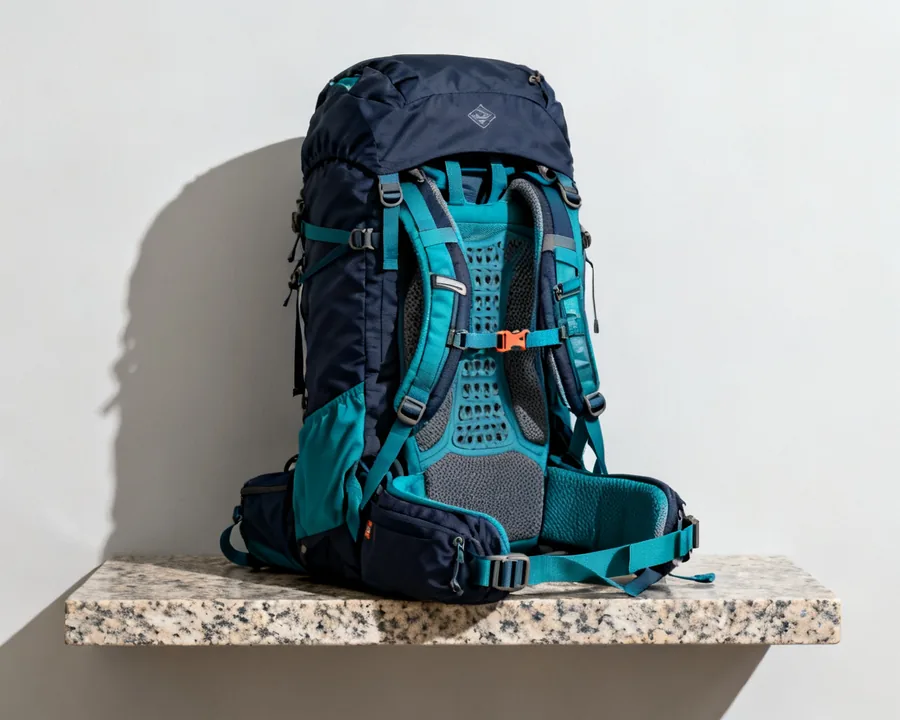
Patagonia hiking backpack on a granite shelf showing harness and hipbelt
Carry-system checkpoints

What a Patagonia backpack file lists before comfort copy is written

  1. Ventilated back panel Mesh channel depth and foam stack are recorded so a daypack and a 65 L framed pack do not share one airflow claim.
  2. Torso-length window Min/max harness length is printed on the spec sheet. A mixed adult team still needs S/M and M/L splits when the window is exceeded.
  3. Hipbelt load path Framed hiking packs transfer load to the hips. Black Hole duffels and Refugio commute packs do not inherit that geometry.
  4. Rain-film versus weld DWR plus PU coating is water-resistant. A roll-top dry bag uses a weld. Mixing those sentences on one hangtag is a documentation defect.
  5. Repair exclusions Manufacturing defects on named SKUs can open a ticket. Abrasion shine, UV fade and undocumented heat-press logos stay on the exclusion sheet.
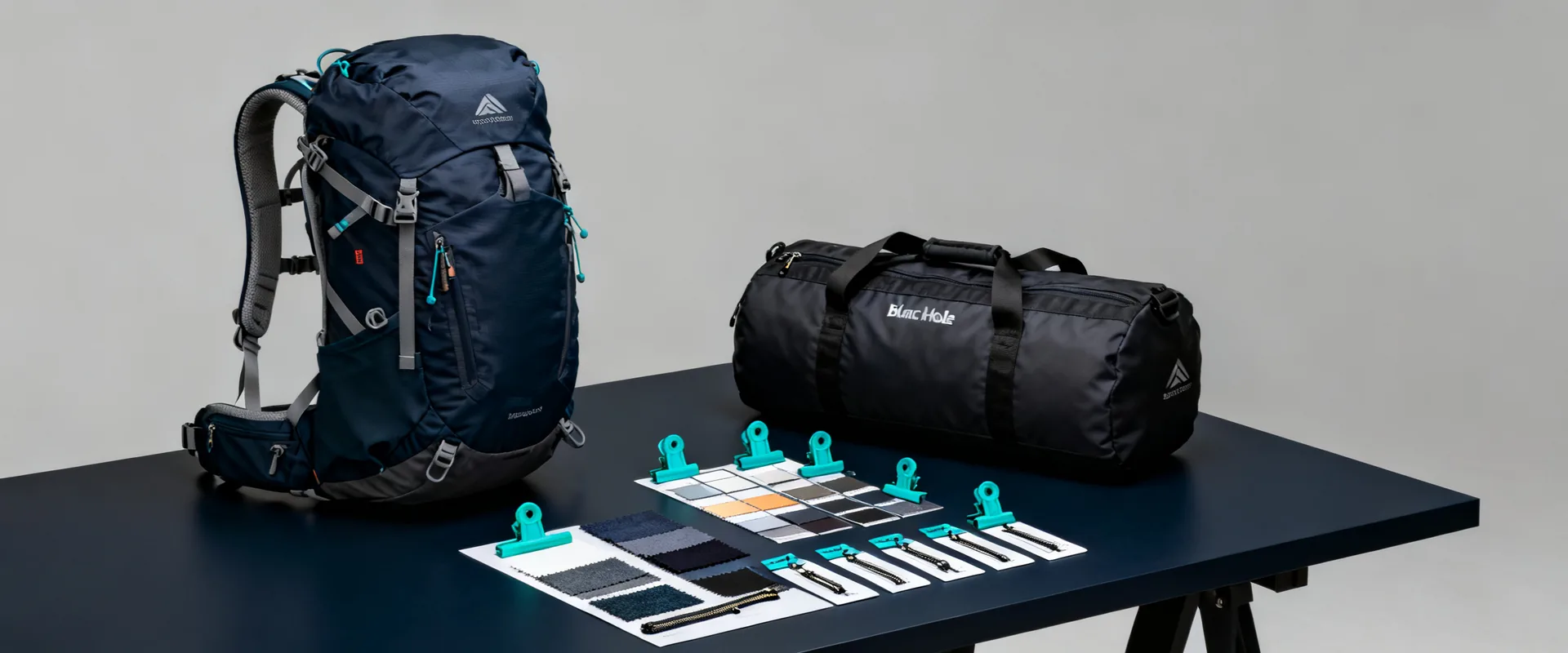
Pack specification desk with hiking backpack and Black Hole duffel
Specify the next assortment

Send capacity, channel and the documents your buying team needs.

Share product type, destination market and whether the request is stock wholesale or OEM. The pack desk routes the first answer with construction notes rather than a generic catalog dump.

Open the contact desk